
 Shri Hanuman Chalisa
Read the traditional Hindi verses of the Shri Hanuman Chalisa with a clear English meaning beneath each one. Spellings and readings can vary across traditions.
AstroNear devotional readings
Explore devotional readings by deity and tradition.
Read Chalisas, Stotras, Aartis and Ashtakams in English and Hindi, with a clear introduction to each devotional reading.
✦Simple and clear
◌Privacy first
↗Read at your pace
Devotional collections
Explore hymns by tradition and deity.
Browse published Chalisas, Stotras, Aartis and Ashtakams. Each collection has an introduction to its devotional tradition.
Devotional collection
Chalisa Collection
Shri Hanuman Chalisa
Read the traditional Hindi verses of the Shri Hanuman Chalisa with a clear English meaning beneath each one. Spellings and readings can vary across traditions.
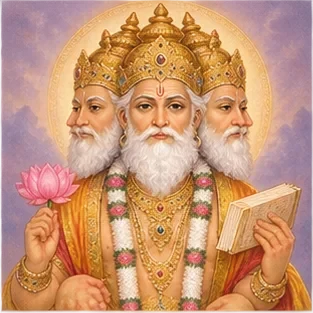 Brahma Chalisa
The complete traditional text of the Chalisa honouring Brahma, the creator, with an English meaning and Hindi explanation beneath each verse. It follows the widely printed reading; minor spelling differences occur across editions.
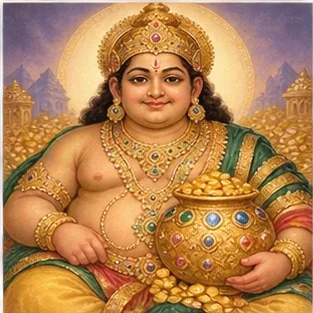 Shri Kubera Chalisa
The complete traditional text of the Chalisa honouring Kubera, keeper of wealth, with an English meaning and Hindi explanation beneath each verse. It follows the widely printed reading; minor spelling differences occur across editions.
 Shiv Chalisa
The complete traditional text of the Chalisa honouring Shiva, with an English meaning and Hindi explanation beneath each verse. It follows the widely printed reading; minor spelling differences occur across editions.
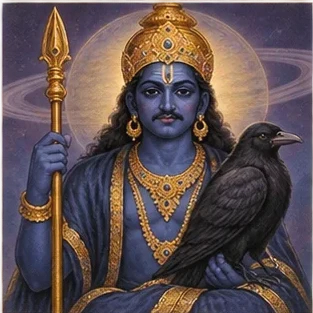 Shani Chalisa
The complete traditional text of the Chalisa honouring Shani, god of justice, with an English meaning and Hindi explanation beneath each verse. It follows the widely printed reading; minor spelling differences occur across editions.
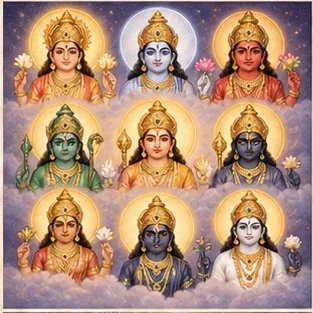 Shri Navagraha Chalisa
The complete traditional text of the Chalisa honouring the nine grahas, with an English meaning and Hindi explanation beneath each verse. It follows the widely printed reading; minor spelling differences occur across editions.
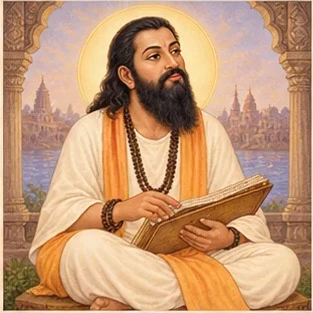 Ravidas Chalisa
The complete traditional text of the Chalisa honouring Sant Guru Ravidas, with an English meaning and Hindi explanation beneath each verse. It follows the widely printed reading; minor spelling differences occur across editions.
 Bhairava Chalisa
The complete traditional text of the Chalisa honouring Bhairava, with an English meaning and Hindi explanation beneath each verse. It is the same traditional text as the Shri Bhairav Chalisa. Minor spelling differences occur across editions.
Devotional collection
Stotra Collection
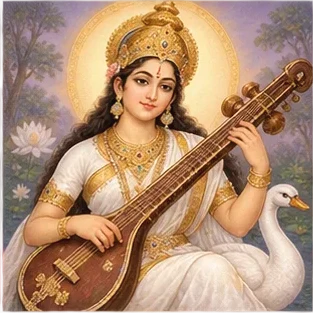 Agastya Saraswati Stotram
An introduction to the Saraswati stotra of the Agastya tradition. Compare the Sanskrit text with a trusted edition.
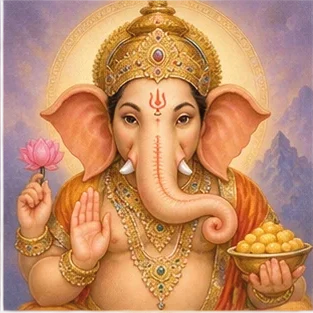 Rinaharta Shri Ganesh Stotram
An introduction to the stotra honouring Ganesha as remover of debt. More than one debt-relief Ganesha hymn circulates; read in keeping with your tradition.
 Nag Stotram
An introduction to the stotra honouring the Nagas (serpent deities), remembered with special devotion on Nag Panchami. Wordings vary.
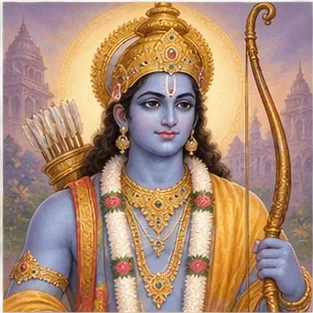 Ram Raksha Stotra
An introduction to the celebrated protective hymn to Shri Ram, traditionally composed by Sage Budha Kaushika from a mantra received in a dream. Compare the Sanskrit text with a trusted edition.
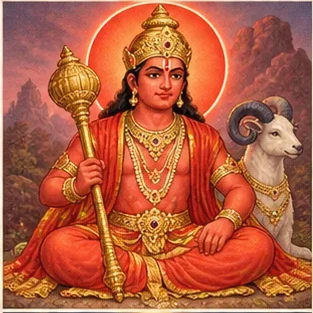 Rinmochan Mangal Stotra
An introduction to the stotra to Mangal (Mars) recited with the wish for freedom from debt, especially on Tuesdays. Compare the Sanskrit text with a trusted edition.
 Aditya Hridaya Stotra
An introduction to the celebrated sun hymn taught by Sage Agastya to Shri Ram in the Yuddha Kanda of the Valmiki Ramayana. Compare wording with a trusted edition.
Shri Saraswati Stotra
An introduction to the stotra praising Saraswati, goddess of learning, recited by students and seekers. Compare the Sanskrit text with a trusted edition.
Rinamukti Shri Ganesh Stotram
An introduction to the stotra honouring Shri Ganesha, recited with the wish for freedom from debt. Compare the Sanskrit text with a trusted edition.
Devotional collection
Aarti Collection
Aarti of Shri Ganpati Ji
“Ganpati Ki Seva Mangal Mewa” — the widely sung aarti of Shri Ganpati, with its refrain repeated after every stanza. An English meaning and Hindi explanation follow each verse; wording and melody vary across regions and homes.
Hanuman Ji Ki Aarti
“Aarti Keejai Hanuman Lala Ki” — the widely sung aarti of Hanuman, with a clear English meaning and Hindi explanation beneath each verse. Lyrics and melodies vary across regions and homes.
Ganesh Ji Ki Aarti
“Jai Ganesh Jai Ganesh Deva” — the most widely sung Hindi aarti of Ganesha, with a clear English meaning and Hindi explanation beneath each verse. Lyrics and melodies vary across regions and homes.
Aarti of Gajabadana Vinayaka
“Aarti Gajabadana Vinayaka Ki” — the widely sung aarti of the elephant-faced Vinayaka, with the refrain “Sur-Muni-Pujit Ganayaki Ki” repeated after each stanza. An English meaning and Hindi explanation follow every verse; wording and melody vary across regions and homes.
Devotional collection
Ashtakam Collection
 Satyanarayan Ashtakam Stotra
An introduction to an eight-verse hymn praising Satyanarayan (Vishnu), linked with the Satyanarayan katha and vow tradition. Wordings vary.
Shivashtakam (Shiva Ashtakam)
An introduction to an eight-verse hymn praising Shiva, of the tradition beginning “Prabhum prananatham vibhum vishwanatham”. Compare the Sanskrit text with a trusted edition.
Achyutashtakam
An introduction to the celebrated Vishnu hymn beginning “Achyutam Keshavam Ramanarayanam”, traditionally attributed to Adi Shankaracharya. Minor spelling differences occur across traditions.
Shankaracharya-krit Shivashtakam
An introduction to a Shivashtakam attributed to Adi Shankaracharya. More than one Shivashtakam circulates; read in keeping with your tradition.
 Krishnashtakam
An introduction to the celebrated Krishnashtakam beginning “Vasudeva sutam devam”, traditionally attributed to Vallabhacharya. Compare the Sanskrit text with a trusted edition.
Sankat Mochan Hanuman Ashtak
Eight verses remembering Hanuman as remover of distress, each ending with the refrain “Ko nahin jaanat hai jag mein kapi, sankatmochan naam tihaaro”. Minor spelling differences occur across traditions.
Surya Ashtakam
An introduction to an eight-verse hymn praising Surya, the sun, linked with Sunday worship and festivals such as Chhath. Wordings vary.
Shri Saraswati Ashtakam
An introduction to an eight-verse hymn praising Goddess Saraswati, recited by seekers of learning and the arts. Wordings vary.
More to read
Keep exploring devotional readings and articles.
Browse devotional readings and published topic articles.
Explore devotional readingsYour cosmos, closer.
Explore devotional readings and thoughtful articles about astrology, tradition, and worship.
YOUR COSMOS, CLOSER